Walk into any pet shop in Malaysia and you’ll find an overwhelming number of cat litter options — clumping, non-clumping, tofu, crystal, clay, wood pellets. How do you know which one is right for your cat?
The truth is, there’s no single best cat litter for every cat. The right choice depends on your cat’s preferences, your lifestyle, and your home setup. This guide breaks it all down so you can make a confident decision.
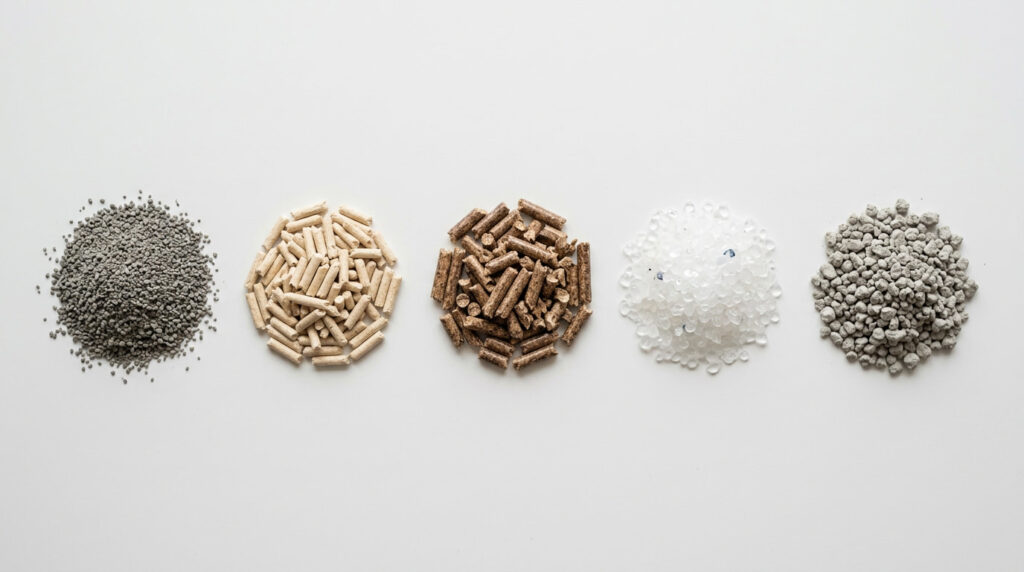
Table of Contents
Understanding the Main Types of Cat Litter
Clumping Clay Litter
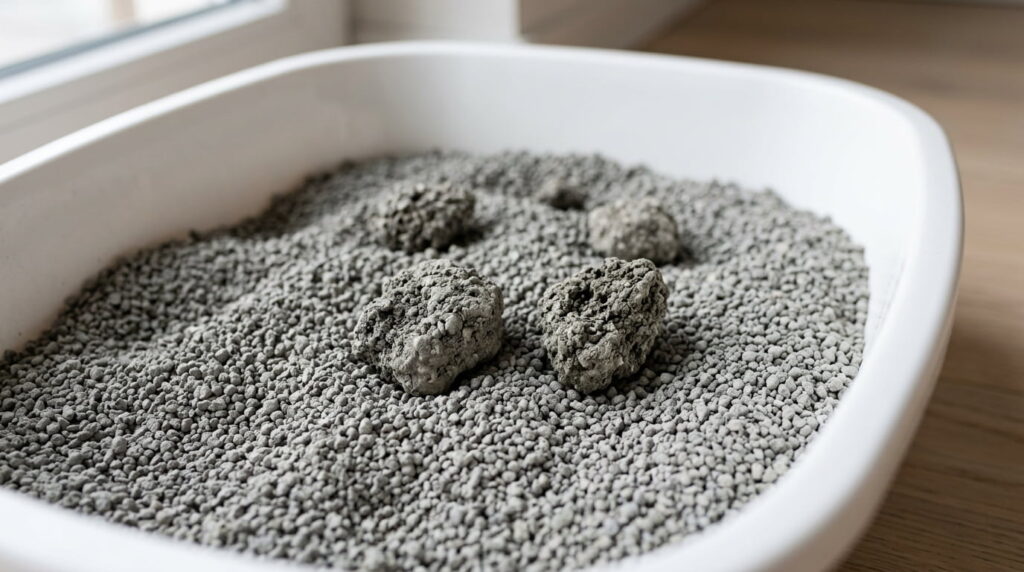
The most popular type worldwide — and for good reason. When your cat urinates, the litter forms solid clumps that are easy to scoop out, leaving the rest of the litter clean.
Best for: Most cats, especially those who are picky about cleanliness. Pros: Easy to maintain, good odour control, widely available. Cons: Heavier to carry, produces some dust, not biodegradable.
Non-Clumping Clay Litter
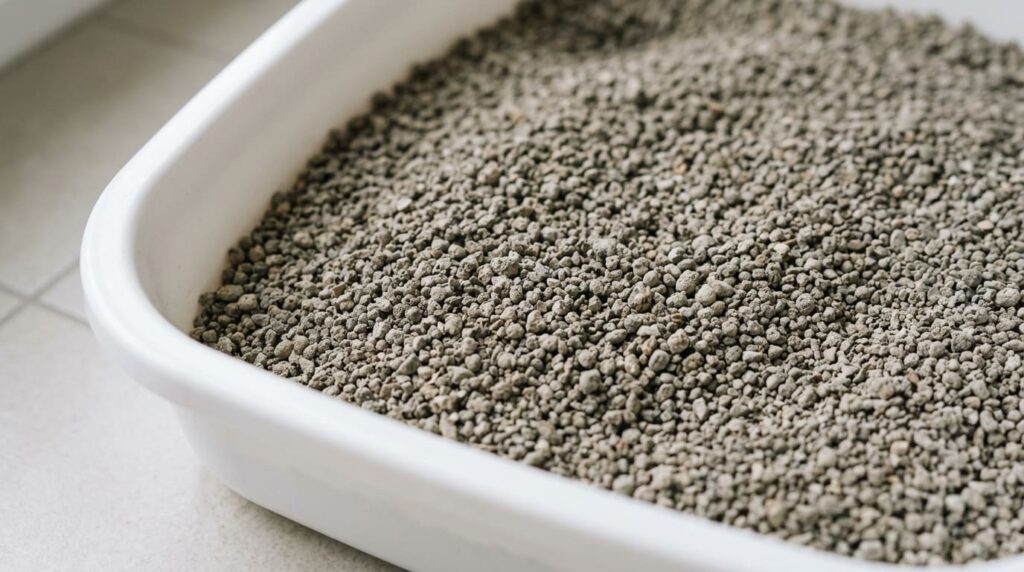
The traditional option. Absorbs urine without forming clumps, so you change the entire box more frequently.
Best for: Kittens under 4 months (clumping litter can be unsafe if ingested). Pros: Usually cheaper, widely available. Cons: Harder to maintain, odour builds up faster, needs full changes more often.
Tofu Cat Litter
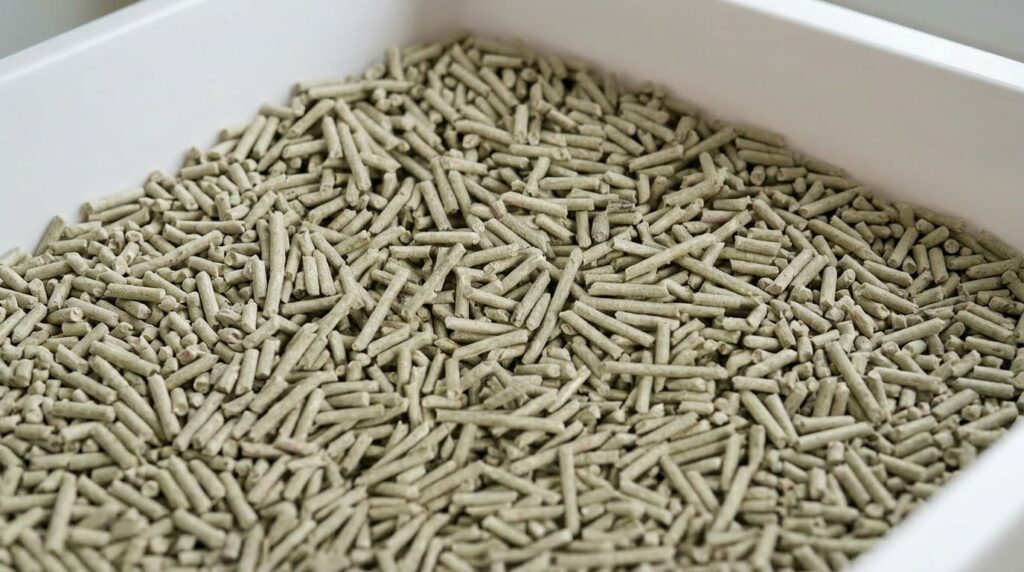
Made from soybean pulp — a newer, eco-friendly option that has become very popular among Malaysian cat owners. It clumps softly, is flushable, and produces very little dust.
Best for: Owners who want a cleaner, more natural option. Pros: Low dust, biodegradable, flushable, lightweight, mild scent. Cons: Some cats take time to adjust, can get mouldy if left too long in humid conditions (important in Malaysia’s climate).
Wood Pellet Litter
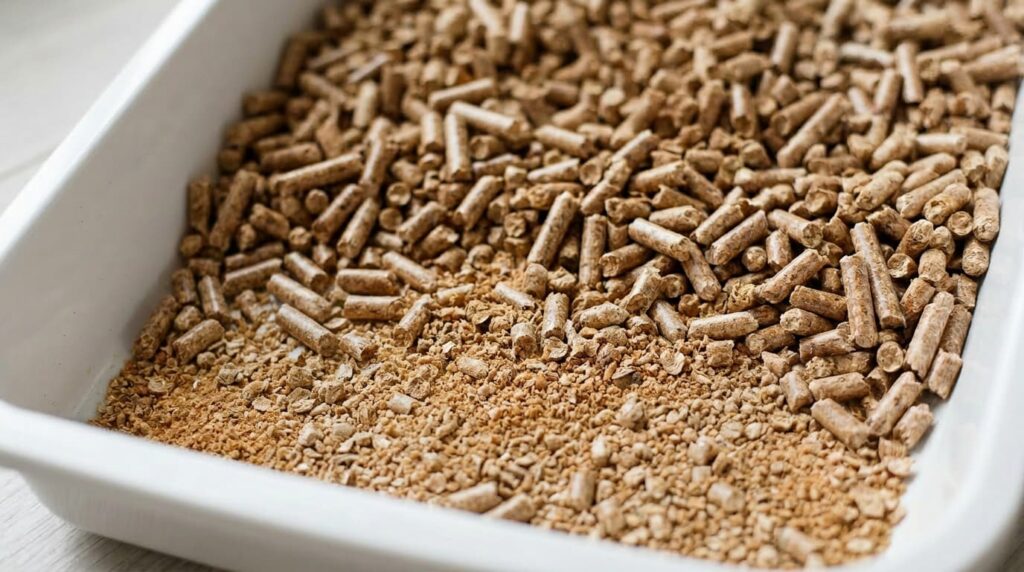
Made from compressed sawdust or pine. When wet, the pellets break down into sawdust at the bottom of the tray.
Best for: Owners who prefer natural materials and don’t mind a different maintenance routine. Pros: Natural, low dust, pleasant wood scent, biodegradable. Cons: Requires a sifting litter box to work properly, some cats dislike the texture.
Silica Gel / Crystal Litter
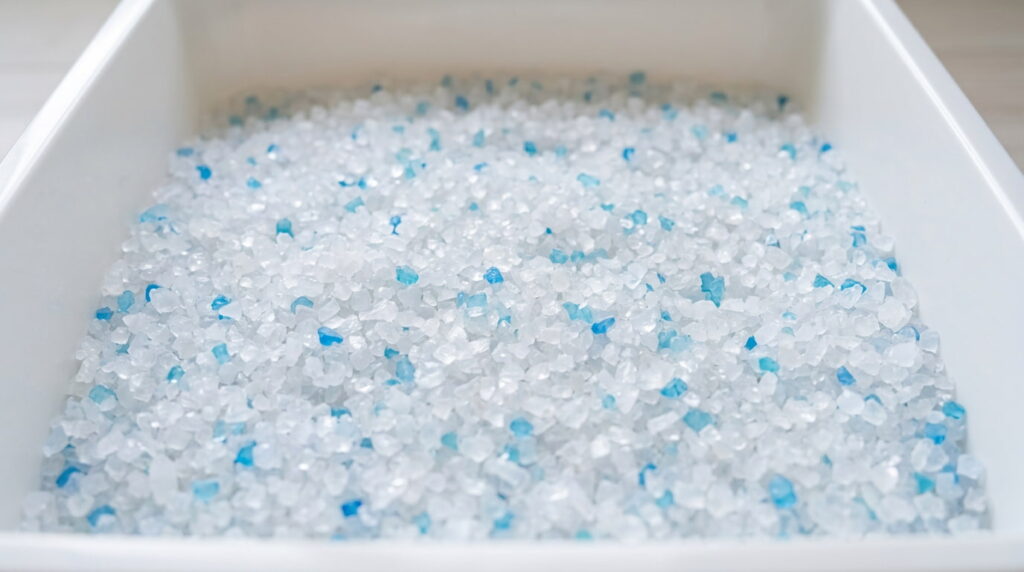
Made from silica crystals that absorb urine and dry it out. One of the lowest-maintenance options available.
Best for: Busy owners, multi-cat households. Pros: Excellent odour control, lasts longer between changes, very low dust. Cons: More expensive, crunchy texture that some cats dislike, not biodegradable.
Key Factors to Consider When Choosing
Your Cat’s Age
- Kittens under 4 months — Use non-clumping litter only. Kittens tend to lick their paws and can ingest clumping litter, which is dangerous.
- Adult cats — Any type works. Let your cat’s preference guide you.
- Senior cats — Prioritise low-dust options to avoid respiratory irritation.
Your Cat’s Sensitivity
Some cats are sensitive to strong fragrances. Scented litters can actually cause cats to avoid the box. If your cat is fussy, always start with an unscented variety first.
Your Home Environment
Malaysia’s heat and humidity is worth factoring in:
- Tofu litter can develop mould faster if not changed regularly in humid conditions.
- Crystal litter holds up well in heat and controls odour effectively.
- Clumping clay remains a reliable all-rounder regardless of climate.
Your Household Setup
- Multiple cats — Go for clumping litter with strong odour control, and maintain a strict scooping schedule.
- Small apartment — Low-dust, low-odour options like tofu or crystal litter are ideal.
- Budget-conscious — Non-clumping clay is the most affordable entry point.
How to Switch Cat Litter Without Stress
If you’re changing from one litter to another, don’t do it overnight. Cats are creatures of habit and a sudden switch can cause litter box avoidance.
Transition method:
- Week 1 — Mix 75% old litter with 25% new litter
- Week 2 — Mix 50% old with 50% new
- Week 3 — Mix 25% old with 75% new
- Week 4 — Full switch to new litter
If your cat resists at any stage, slow down the transition.
Quick Comparison Table
| Litter Type | Clumping | Dust Level | Eco-Friendly | Price Range |
|---|---|---|---|---|
| Clumping Clay | ✅ | Medium | ❌ | Budget–Mid |
| Non-Clumping Clay | ❌ | Medium | ❌ | Budget |
| Tofu | ✅ | Very Low | ✅ | Mid |
| Wood Pellet | ✅ | Low | ✅ | Mid |
| Silica Crystal | ❌ | Very Low | ❌ | Mid–Premium |
Our Recommendation for Malaysian Cat Owners
If you’re just starting out, clumping clay litter is the safest, most widely available choice. It’s easy to maintain and most cats accept it without fuss.
If you want to upgrade, tofu litter is our top pick for Malaysian homes — lightweight, low dust, and eco-friendly. Just make sure to change it regularly given the humidity.
Final Thoughts
Choosing cat litter doesn’t have to be complicated. Start with what suits your cat’s age and sensitivity, factor in your home environment, and don’t be afraid to experiment. Most cats will show you clearly what they prefer — you just have to pay attention.